

-250x250.webp)


-250x250w.webp)


Aquarium equipment – the basis for a stable system
Aquarium equipment is the basis for the stable and long-term operation of any aquarium. In addition to the main components such as
filtration and lighting, modern aquariums use pumps, heaters, CO₂ systems and control devices that work together as a complete system.
The correct selection and combination of aquarium equipment depends on the type of aquarium, its volume and the inhabitants in it. Well-balanced equipment facilitates maintenance and creates a stable environment for fish and plants.
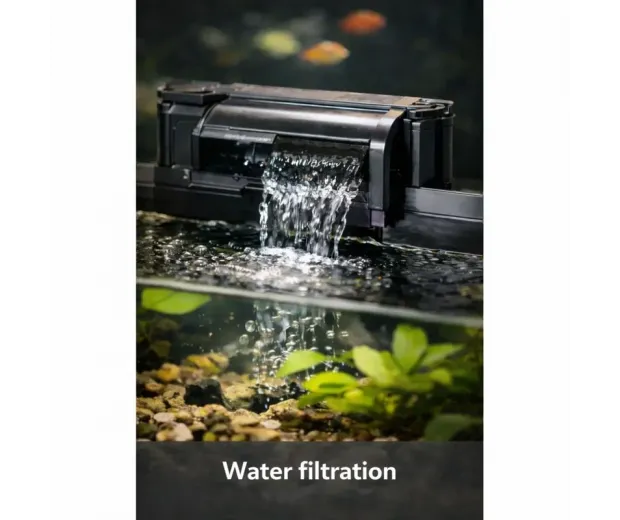
Filtration and water movement
The filter is the heart of every aquarium. It provides mechanical and biological filtration, which keeps the water clean and safe for fish.
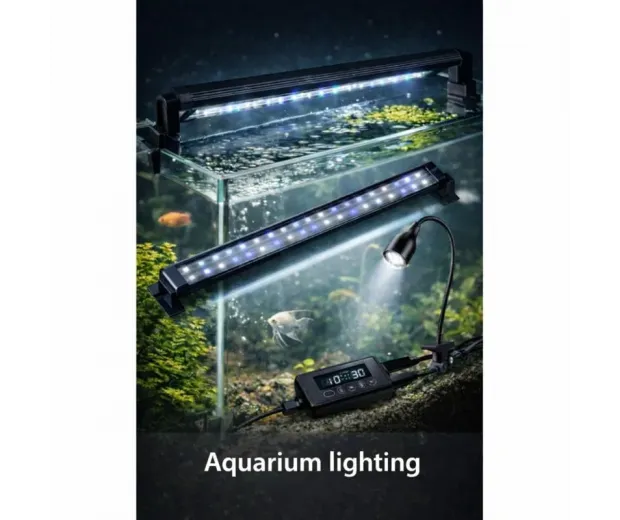
Aquarium lighting
Lighting affects plant growth and the visual effect of the aquarium. LED lighting is energy efficient and offers an optimal spectrum.
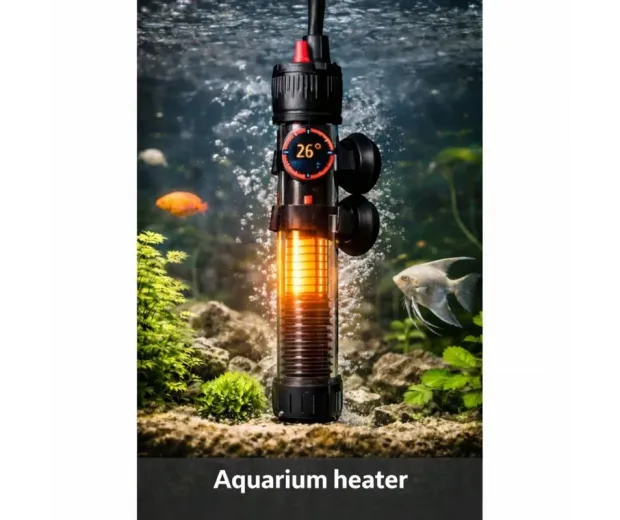
Heaters and temperature control
Most tropical fish require a stable temperature. The heater maintains optimal conditions all year round.
CO2 systems and controllers
CO2 systems are important for planted aquariums, supporting photosynthesis and plant growth.
Tests and measuring instruments
Regular measurement of parameters allows for timely response and a stable environment.
Aquarium maintenance - basic principles
Maintenance includes regular partial water changes, filter cleaning and monitoring fish behavior. Stability is more important than frequent changes.
Stable maintenance does not mean complicated procedures, but perseverance and the right equipment. Well-chosen equipment and regular control greatly facilitate aquarium care and prevent common problems.
Most common mistakes when starting an aquarium
- Too fast release of inhabitants
- Lack of biological cycle
- Overfeeding
- Insufficient filtration
Do you want a stable and healthy aquarium?
Take a look at the selected equipment and equipment.
- to category "Aquarium equipment"
Aquarium Control and Maintenance
The long-term success of any aquarium depends on regular control and proper maintenance. Measuring the main water parameters, maintaining a stable temperature and responding promptly to changes are key to the health of fish and plants.
Using measuring instruments, controllers and appropriate equipment facilitates maintenance and reduces the risk of sudden fluctuations
in the aquarium conditions.
FAQ - Aquarium
How long does it take to start an aquarium?
Usually between 2 and 4 weeks. This is the time for the system to have a relatively stable environment for its inhabitants.
How often do you change the water?
20–30% once a week. Or to get a more accurate idea, read the article: Should I change the water in the aquarium and how much?
How many fish can I put in?
It depends on the volume and species, always start gradually. First with bottom dwellers and gradually add other species.
What kind of aquarium is suitable for beginners?
For beginner aquarists, a freshwater aquarium with a volume of between 60 and 100 liters is best. A larger volume provides more stable water parameters and easier maintenance compared to very small aquariums. It is recommended that the system be equipped with an aquarium filter, heater and appropriate lighting to create safe and stable conditions for the fish.
How much equipment is needed for an aquarium?
The necessary equipment depends on the type and volume of the aquarium, but every aquarium needs basic equipment. This includes a filter for cleaning the water, a heater to maintain a constant temperature and lighting. In planted aquariums, a CO₂ system and additional equipment can be added for better control of the conditions.
Is CO₂ needed for every aquarium?
CO₂ is not mandatory for every aquarium. In standard freshwater aquariums with few or undemanding plants, a CO₂ system is not necessary. It is highly recommended in planted and aquascape aquariums, where it supports photosynthesis and healthy plant growth.
Which water parameters are most important?
The most important water parameters in an aquarium are temperature, pH, ammonia, nitrite and nitrate levels.
Keeping these within the appropriate range is essential for the health of your fish and plants. Regular monitoring with water meters and tests helps to avoid problems and maintain a stable environment.